The Supreme Court just rewrote the tariff map — what changed for importers
On Feb 20, 2026 the Supreme Court struck down the IEEPA tariffs. A 10% Section 122 surcharge replaced them days later. The net: China's ceiling fell sharply — here's the real picture.
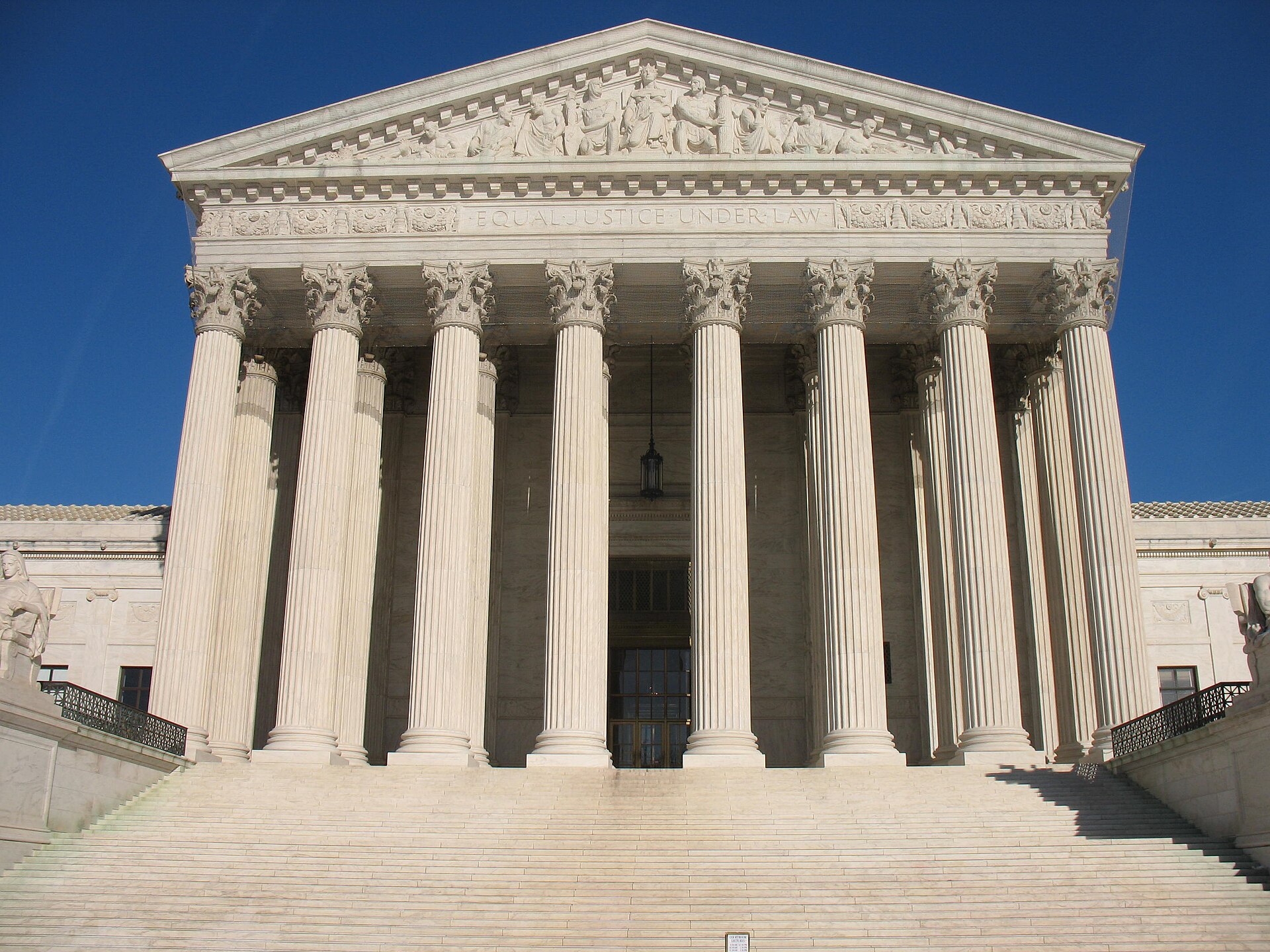
- What: Supreme Court ruled IEEPA can't be used to impose tariffs; Section 122 surcharge invoked in response
- When: Ruling Feb 20, 2026; Section 122 10% surcharge effective Feb 24, 2026 (150 days)
- Who's hit: Nearly all importers; USMCA-certified goods largely exempt
- Impact: China's max rate fell from ~145% to roughly 40% (25% Section 301 + capped surcharge)
On February 20, 2026, the Supreme Court ruled that the President cannot use the International Emergency Economic Powers Act (IEEPA) to impose tariffs — striking down the April 2025 “reciprocal” tariffs and the fentanyl-related tariffs on China, Mexico, and Canada.
The response was fast. Days later the administration invoked Section 122 of the Trade Act of 1974: a 10% across-the-board import surcharge for 150 days, effective February 24, 2026, with exemptions including USMCA-certified goods. For China, the practical ceiling fell hard — from a headline stack that had reached about 145% down to roughly 40% for most goods (25% Section 301 plus the capped surcharge).
Two things to do now. First, if you imported under the invalidated IEEPA rates, you are likely owed money — CBP has begun processing refunds, and entries have to be reconciled to claim them. Second, don’t build 2026 plans on the 10% surcharge as if it’s permanent: it’s a 150-day instrument, and the map may move again before it expires.
From our warehouse floor“The ceiling dropping doesn't mean 'cheaper' for everyone — entries filed under the old IEEPA rates are now refund candidates. We're reconciling client entries line by line.”
— MashBond customs desk
Informational only — not legal or customs advice. Verify against the primary source before acting.