CBP enforcement posture: what UFLPA detentions mean for your supply chain paperwork
UFLPA detentions are running at a high, steady baseline and CBP just issued new forced-labor guidance. What a defensible supply-chain file looks like in practice.
- What: UFLPA enforcement holding at a high baseline; new CBP forced-labor guidance issued July 2026
- When: FY2025–April FY2026: 17,651 shipments detained, 10,959 denied entry (~$295M cargo)
- Who's hit: Importers in apparel, cotton, polysilicon, aluminum, lithium/batteries, seafood, and adjacent inputs
- Impact: Traceability documentation decides who clears and who gets held
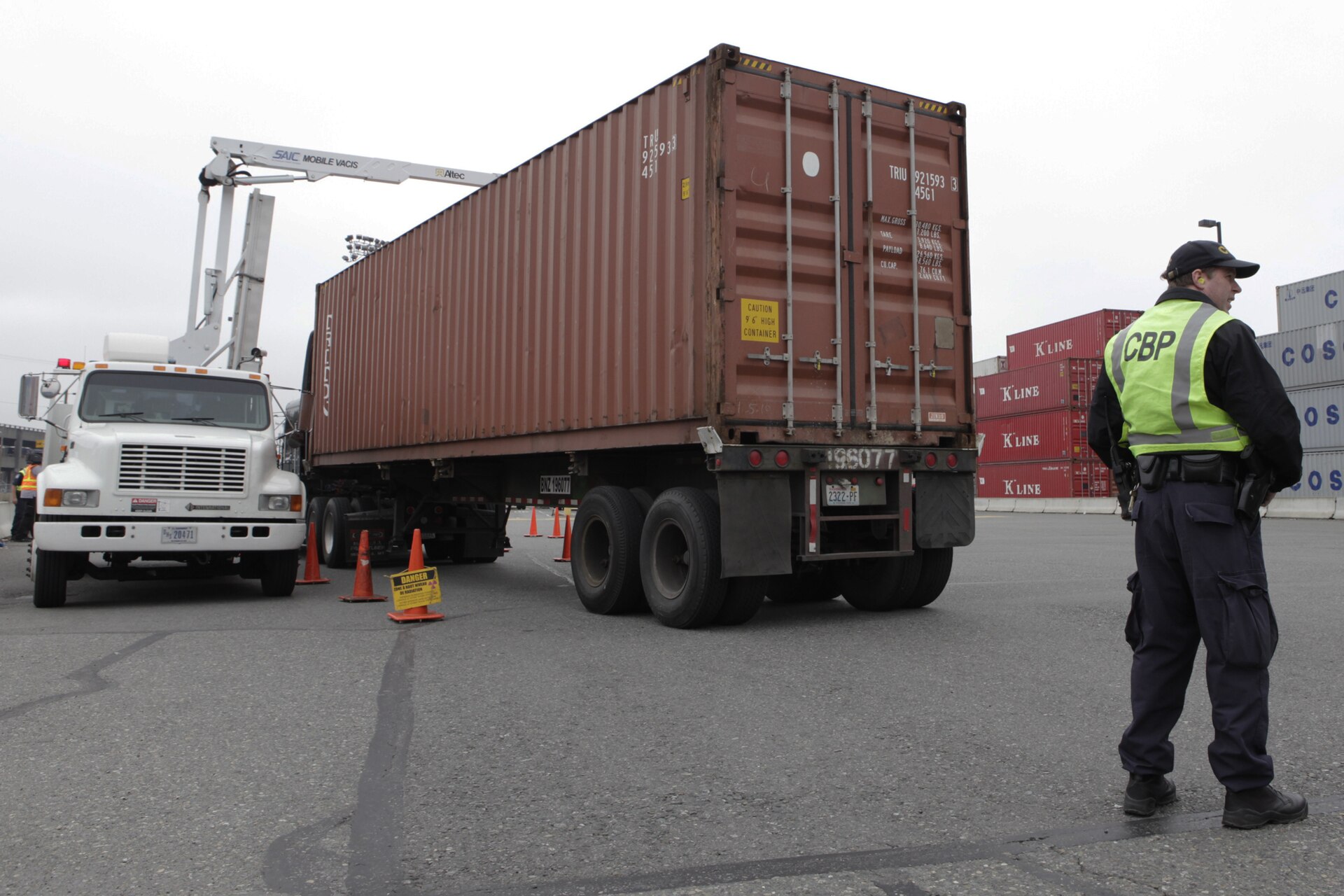
CBP’s enforcement of the Uyghur Forced Labor Prevention Act has settled into a high, steady baseline. From the start of FY2025 through April of FY2026, CBP detained 17,651 shipments under the UFLPA and denied entry to 10,959 — roughly $295 million in cargo held up. Since 2022, more than 18,000 shipments worth $3.81 billion have been reviewed. In July 2026 CBP issued comprehensive new forced-labor guidance, and the list of high-risk inputs keeps widening: apparel and cotton, polysilicon, aluminum, PVC, seafood, lithium and batteries, even tomatoes and red dates.
The practical burden lands on documentation. Importers are now expected to trace inputs deeper into the supply chain than most sourcing teams are used to recording.
The brands that clear without drama share one habit: they build the traceability file before the shipment, not after the detention notice — purchase orders, production records, and raw-material provenance, organized per shipment.
Informational only — not legal or customs advice. Verify against the primary source before acting.