Transpacific spot rates: reading the cycle instead of chasing it
Rates ran up into peak season, then eased — with Shanghai–New York still near $7,900 a box. How to buy freight like the cycle exists, because it does.
- What: Transpacific spot rates elevated on peak-season demand and blank sailings
- When: Late July 2026: Drewry WCI ~$4,374/FEU; Shanghai–NY ~$7,880, Shanghai–LA ~$6,270
- Who's hit: Anyone buying ocean freight from Asia to the U.S.
- Impact: Double-digit weekly swings — plan the cycle, don't react to it
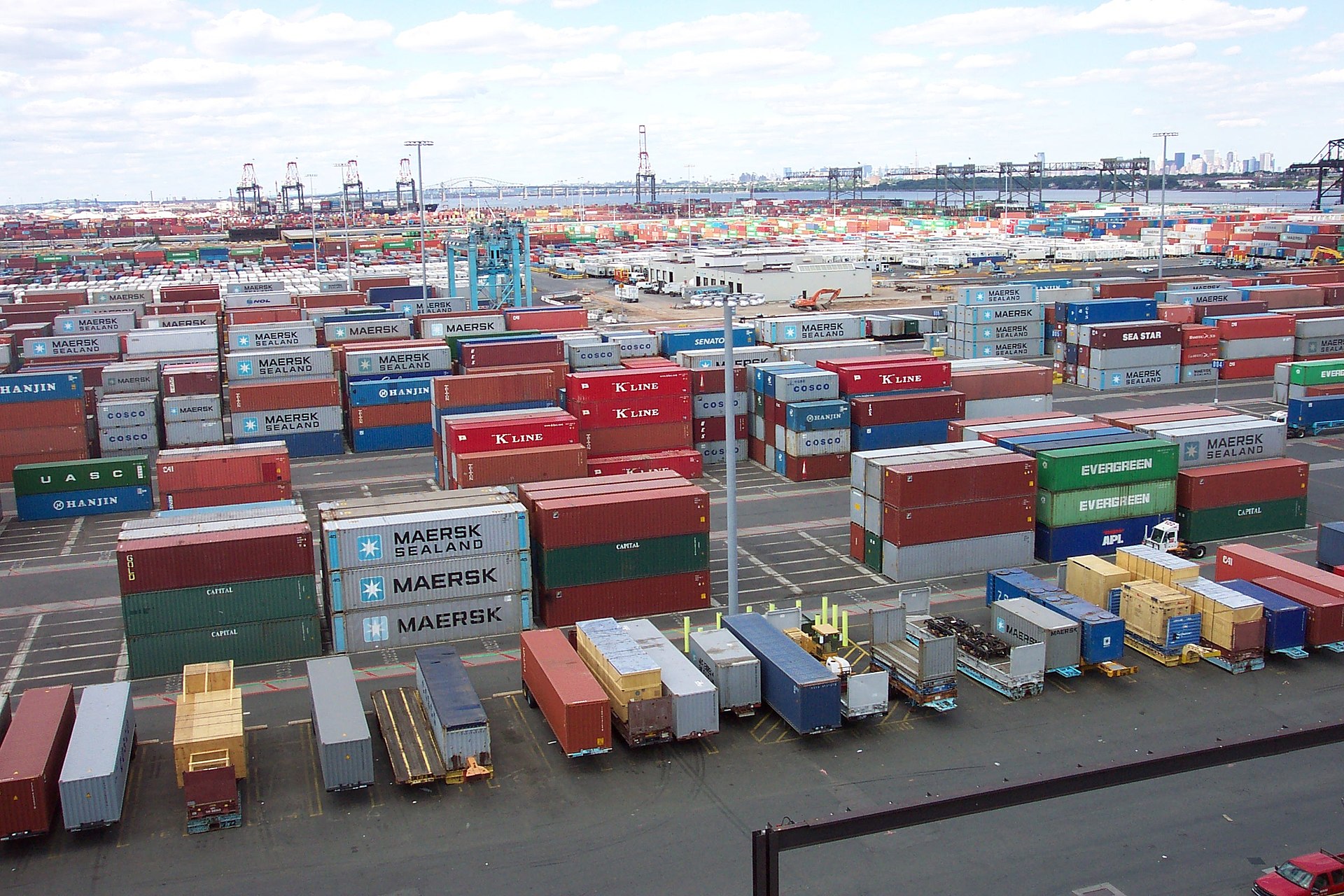
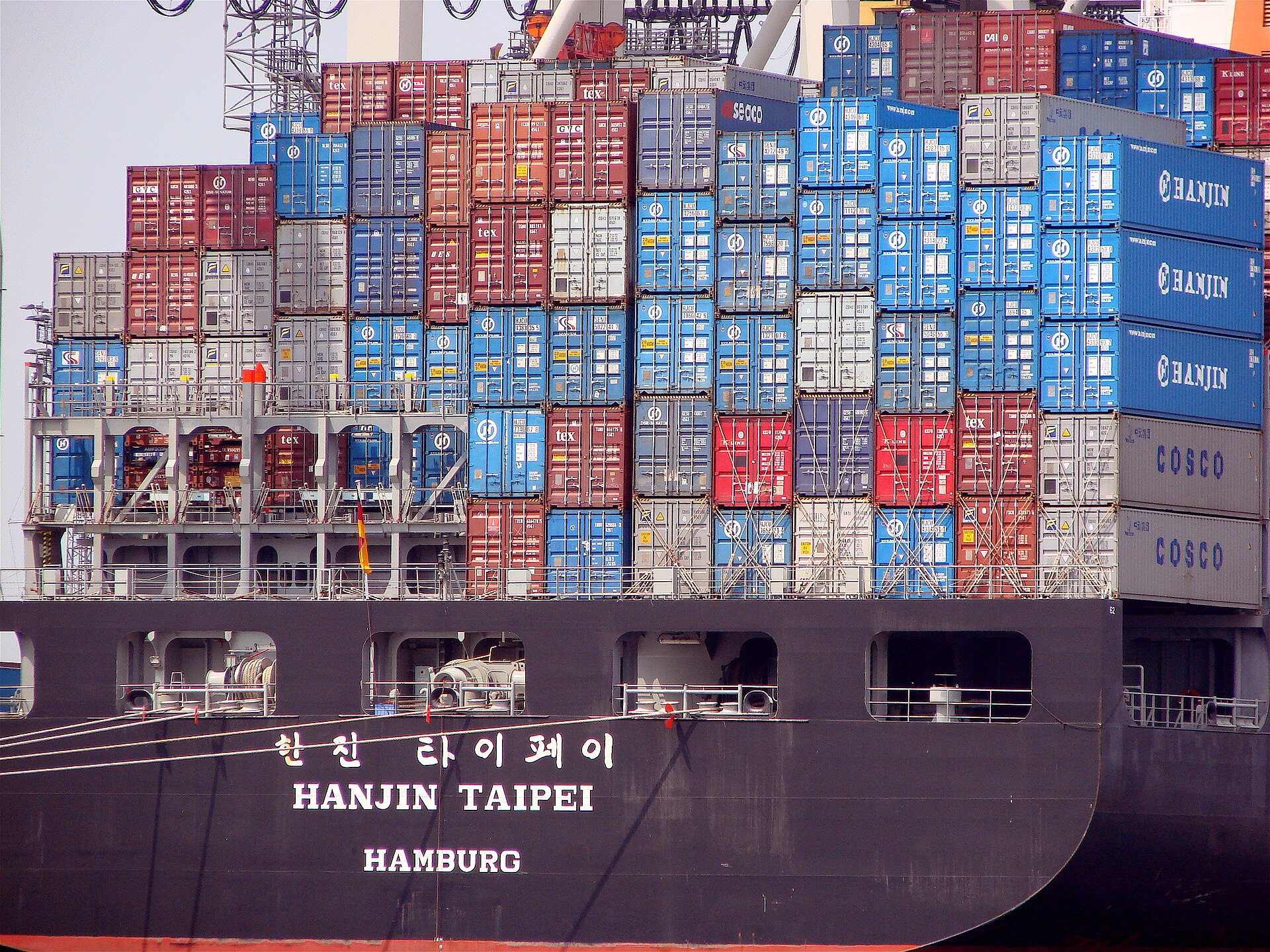
Transpacific spot rates move in cycles that reward sellers who plan against them and punish sellers who react to them. Late July 2026 is a textbook example: Drewry’s World Container Index sat around $4,374 per 40-foot container after an early-July peak-season run-up, with Shanghai–New York near $7,880 and Shanghai–Los Angeles near $6,270. Carriers were still trimming capacity — eight blank sailings scheduled on the transpacific in a single upcoming week — which is what keeps rates firm even as demand wobbles.
The exact number will be different by the time you read this, and that is the point. Capacity returns, rates soften, a disruption hits, rates snap back — the pattern repeats with new headlines each year.
The practical posture: split volume between contract stability and spot opportunism, and hold enough U.S. inventory that a rate spike never forces you to airfreight your way out of a stockout.
Informational only — not legal or customs advice. Verify against the primary source before acting.