The port congestion playbook: what to do before the next backup
Congestion is a when, not an if. The inventory and routing decisions that decide whether the next backup costs you sales — or costs your competitor sales.
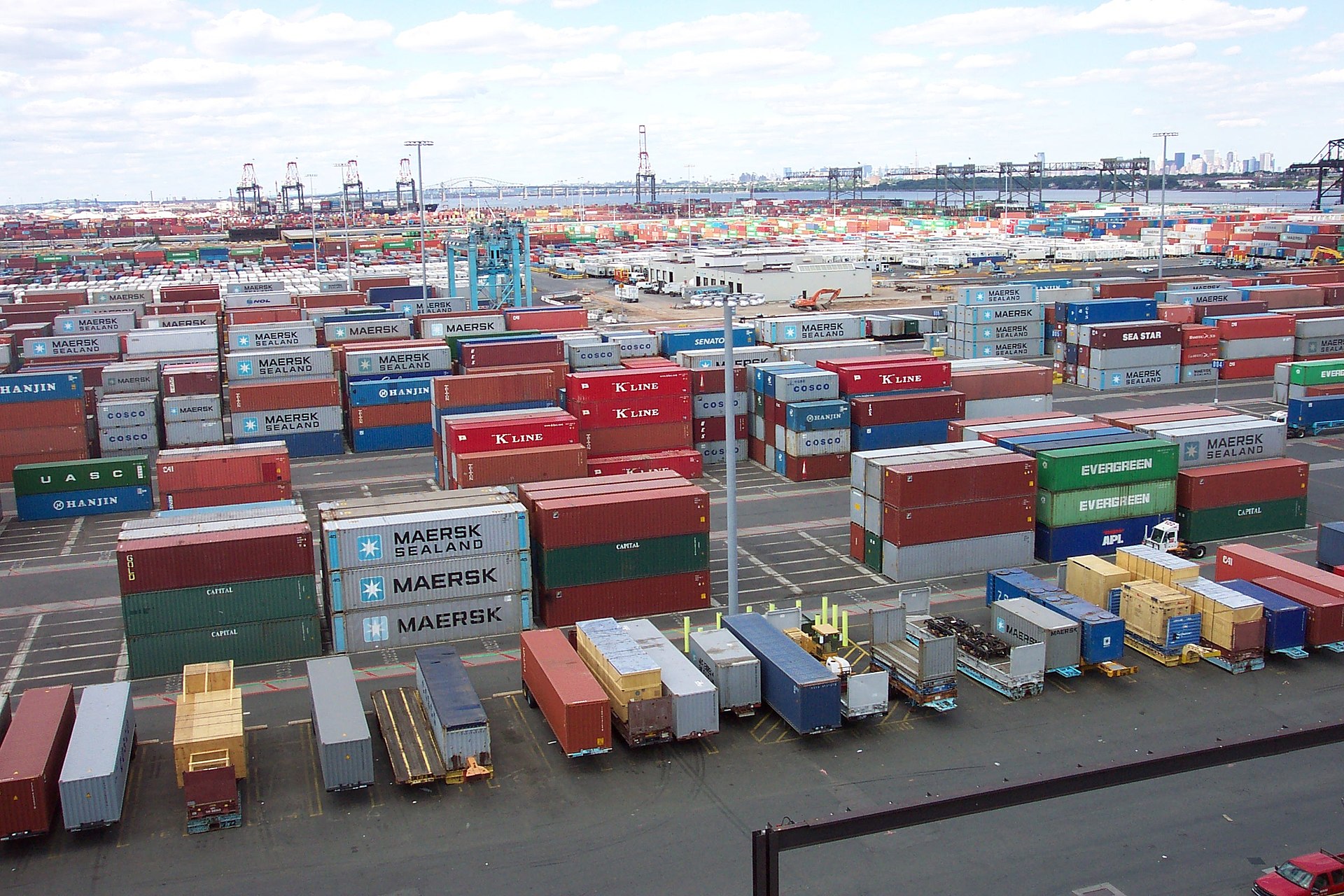
Port congestion is a when, not an if. Every few quarters some mix of labor talks, weather, or a demand surge backs up a gateway — and every time, the sellers with single-port, just-in-time supply chains are the ones who eat the cost, in missed sales and panic airfreight.
The insurance is boring and it works: route flexibility between coasts, safety stock positioned inland, and a fulfillment partner who can rebalance between warehouses the moment one region jams. When the West Coast seizes up, your orders keep shipping from the East — and your competitor’s don’t.
None of this is exotic. It’s the difference between treating your supply chain as a cost to minimize and treating it as resilience you can sell against.
From our warehouse floor“Bi-coastal inventory is the cheapest congestion insurance we know. When one coast backs up, orders keep flowing from the other.”
— MashBond fulfillment desk
Informational only — not legal or customs advice. Verify against the primary source before acting.